You have probably seen the word “loft” in an apartment listing and wondered what it actually means.
Is it simply an apartment with high ceilings? Does it have to be in an old warehouse? Is a loft the same thing as a studio?
The answer to all three questions is no.
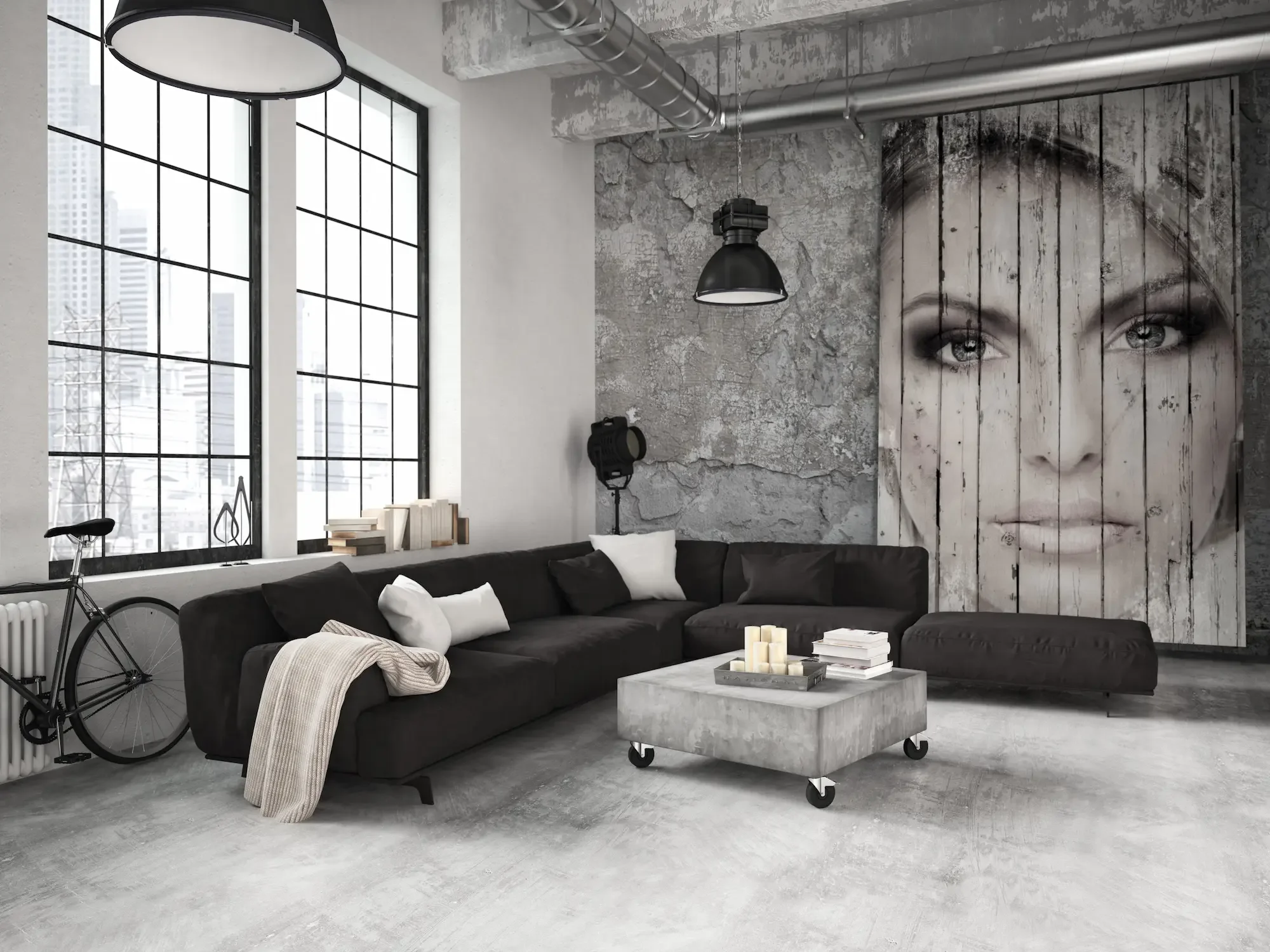
A loft apartment is generally defined by its open design, generous ceiling height, large windows, and flexible living space. Some lofts are converted industrial buildings with exposed brick and beams. Others are modern apartments designed with the same open, spacious feel.
If you are considering loft living, here is what to know before you decide.
Key Takeaways
A loft apartment is typically defined by its open layout, high ceilings, large windows, and flexible living space.
Traditional lofts often feature industrial details such as exposed brick, beams, concrete, or ductwork, while modern lofts may simply borrow the same open design.
A loft is not the same as a studio. A loft can have one or more bedrooms, while a studio usually combines the living and sleeping areas into one main space.
Loft living offers flexibility, natural light, architectural character, and a spacious feel, but it can also mean less privacy and more challenging furniture placement.
Before renting a loft, check the storage, natural light, noise levels, heating and cooling, ceiling height, and how your furniture will fit.
Loft apartments vary widely in price, so consider location, size, amenities, finishes, parking, and your overall housing budget rather than the “loft” label alone.
Tree Farm Lofts offers modern apartment living in Basalt near Willits Town Center for renters looking for convenience and a balanced mountain lifestyle.
What Is a Loft Apartment?
A loft apartment is a residential space designed around openness and flexibility rather than lots of separate rooms.
Traditional lofts were often created by converting former factories, warehouses, and other industrial buildings into homes. These spaces typically had high ceilings, large windows, exposed structural elements, and few interior walls.
The idea has evolved.
Today, you can find modern loft apartments that were built specifically as residences. They may not have an industrial history at all, but they borrow some of the characteristics that made traditional lofts popular.
Common loft features include:
Open floor plans
High ceilings
Large windows
Flexible living areas
Fewer interior walls
Exposed architectural details in some properties
Generous living spaces
Where Did Loft Apartments Come From?
The modern loft apartment has its roots in former industrial buildings.
In cities like New York, artists began moving into vacant factories and warehouses because the large, open spaces offered room to live and work. Over time, these unconventional spaces became increasingly desirable as residential properties.
The loft concept eventually moved beyond converted industrial buildings.
Today, developers often incorporate loft-inspired features into purpose-built apartment communities. You can have the openness and visual character associated with a traditional loft without living in a former factory.
What Does a Loft Apartment Look Like?
Here are features of a loft apartment:
Open Floor Plan
The living room, kitchen, and dining area often share one large space instead of being separated by walls.
That makes the apartment feel more connected and gives you more flexibility when arranging furniture.
High Ceilings
High ceilings are one of the features most closely associated with loft living.
They create more vertical space and can make the apartment feel larger than its floor area suggests.
Large Windows
Traditional industrial lofts often had large windows designed to bring natural light into deep interior spaces.
Modern lofts frequently use large windows for the same reason. More glass can also create stronger connections between the interior and the surrounding neighborhood or landscape.
Exposed Details
Some lofts retain or recreate industrial elements such as:
Brick walls
Concrete floors
Exposed beams
Metal fixtures
Visible ductwork
These details are common in traditional lofts but are not required for an apartment to be considered a loft.
Loft vs. Studio Apartment: What's the Difference?
Lofts and studios are often confused because both can have open layouts.
The difference is what defines each type of apartment.
A studio apartment is generally defined by its room arrangement. It typically combines the living, sleeping, and kitchen areas into one main space, with a separate bathroom.
A loft apartment is defined more by its architectural design. It may have one bedroom, multiple bedrooms, or an open sleeping area.
| Feature | Loft apartment | Studio apartment |
| Open living area | Common | Common |
| High ceilings | Common | Not required |
| Separate bedroom | May have one or more | Usually no |
| Large windows | Common | Varies |
| Exposed architectural details | Often | Not required |
| Defined by | Design and layout | Room arrangement |
So, a loft can be a studio, but not every studio is a loft.
Are Loft Apartments Good for Small Spaces?
An open floor plan can make an apartment feel spacious, but openness does not automatically mean you have more usable space.
Furniture placement matters.
Without walls separating each area, you need to think carefully about how the space will function. A large sofa, dining table, desk, and bed can quickly make an open apartment feel crowded if there is no clear plan for where everything goes.
Before renting a loft, consider:
The size of your furniture
Where you will work
Where you will eat
How much storage you need
Whether you need a separate sleeping area
How much open space you want to maintain
What Are the Benefits of Living in a Loft Apartment?
Loft living appeals to renters who like openness and flexibility.
Flexible Living Space
Without as many walls, you can arrange your home around the way you use it.
Your living room can double as an entertaining space. Part of the room can become a home office. A dining area can be created without needing a separate room.
A Spacious Feel
High ceilings and open sightlines can make a home feel larger and more airy.
This can be particularly appealing if you prefer an uncluttered interior.
More Natural Light
Large windows can bring more daylight into the living space and give the apartment a stronger connection to its surroundings.
Architectural Character
Traditional lofts often have details that give them a distinctive appearance. Even modern lofts can use high ceilings, oversized windows, exposed materials, and open layouts to create a similar sense of character.
Easier Entertaining
An open living area gives guests room to move between the kitchen, dining area, and living room without feeling separated from the person hosting.
What Are the Potential Drawbacks?
Loft living is not for everyone.
The same openness that makes a loft appealing can create a few challenges.
Less privacy: An open layout offers less separation between different parts of your home.
Furniture can be tricky: Large, open rooms require more thought when arranging furniture.
Noise can travel: Without walls to absorb sound, conversations, television, and other noises can carry through the space.
Storage may require planning: Some lofts prioritize open space over large numbers of closets.
Heating and cooling can vary: Apartments with very high ceilings have more air volume to heat and cool, so it is worth asking how the unit is designed and managed.
None of these are automatic problems. They are simply things to consider before signing a lease.
Who Is a Loft Apartment Best For?
A loft may suit you if you:
Prefer open spaces
Like flexible furniture arrangements
Enjoy entertaining
Want plenty of natural light
Work from home and can create a workspace within an open room
Prefer fewer walls
Like modern or industrial-inspired design
A more traditional apartment may make more sense if you:
Need separate rooms
Share your home with roommates
Want more bedroom privacy
Have children
Need substantial closed storage
Prefer clearly defined living areas
Neither layout is inherently better. They simply support different ways of living.
What Should You Look for When Touring a Loft?
A loft can look impressive during a quick tour. Take a little more time before deciding.
Check the Ceiling Height
High ceilings are a defining feature of many lofts, but make sure they work for you. Think about how your furniture will look and whether you will have enough storage.
Look at the Natural Light
Visit during the day and see how much light reaches the main living space.
Test the Storage
Open every closet. Look at the kitchen cabinets. Ask about additional storage if you have outdoor equipment or seasonal belongings.
Consider Noise
Stand quietly for a moment. Listen for neighbors, hallways, elevators, traffic, or mechanical equipment.
Picture Your Furniture
A large open room can be surprisingly difficult to furnish. Think about where your sofa, bed, dining table, desk, and storage pieces would go before signing.
Check the Temperature
Ask how heating and cooling work and whether residents can control the temperature within their apartment.
Are All Loft Apartments the Same?
No.
A converted industrial loft may have exposed brick, concrete floors, old beams, large factory windows, and visible ductwork.
A modern loft-style apartment may look completely different.
It could have contemporary finishes, clean lines, updated appliances, and modern amenities while still using an open floor plan and high ceilings to create a loft-like feel.
That is why it is worth looking at the actual floor plan and photos rather than relying on the word “loft” in a listing.
How Much Does a Loft Apartment Cost?
There is no standard price for a loft apartment.
Rent depends on factors such as:
Location
Apartment size
Number of bedrooms
Building age
Finishes
Amenities
Parking
Storage
Local demand
A loft in a major city can have a very different price from a modern loft-style apartment in a mountain community.
Loft-Style Living in Basalt
For renters who like the openness of loft living but want the conveniences of a modern apartment community, Tree Farm Lofts offers a contemporary take on the concept in Basalt.
The community combines modern residences with amenities, including a fitness center, rooftop terrace, clubhouse, outdoor spaces, and storage for bikes, kayaks, and skis. It is also located across Highway 82 from Willits Town Center, giving residents access to groceries, restaurants, shops, and other everyday conveniences.
The location also provides access to RFTA, making it easier to move through the Roaring Fork Valley without relying entirely on a car.
Explore Tree Farm Lofts' available apartments and find a home that keeps you connected to everything the Roaring Fork Valley has to offer.
Frequently Asked Questions
What makes an apartment a loft?
A loft is typically defined by an open floor plan, high ceilings, large windows, and flexible living space. Traditional lofts often feature exposed brick, beams, concrete, or other industrial details, while modern lofts may simply incorporate the open layout and spacious feel.
Are lofts more expensive than apartments?
Not necessarily. Loft prices vary based on location, size, finishes, amenities, and local demand. A loft may cost more than a conventional apartment in the same area if it offers more space or upgraded features, but the word “loft” alone does not determine the rent.
What are the disadvantages of lofts?
The open design can mean less privacy and fewer clearly defined rooms. Furniture can also be harder to arrange, and noise may travel more easily through the space. Lofts with high ceilings may also require more heating and cooling, depending on the building and its design.
What is the difference between a loft and a flat?
The main difference is that “loft” describes a particular type of apartment design, while “flat” is a general term for an apartment or self-contained residential unit. A loft typically has an open layout, high ceilings, or other distinctive architectural features. A flat can have any type of floor plan or design.