How Many People Can Live in a 1-Bedroom Apartment in Basalt, CO?
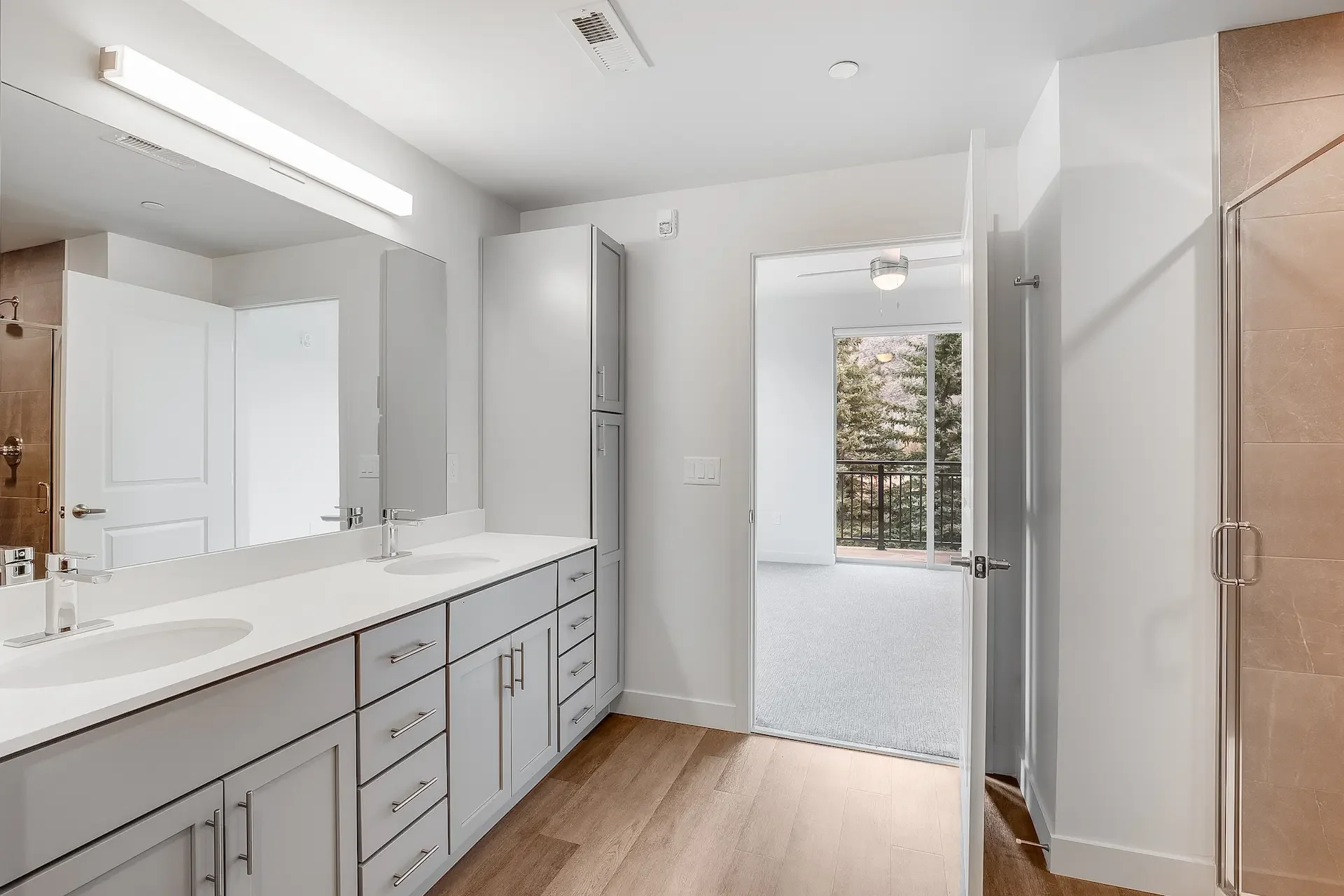
Most 1-bedroom apartments are designed for one to two people, and that’s also what most landlords and local housing rules allow. In some cases, a third person may be permitted if the apartment is large enough and the lease allows it. The exact limit depends on local occupancy codes, square footage and the property’s rules.
If you’re planning to share a 1-bedroom or want to be sure you’re renting within the rules, it helps to understand how occupancy limits work and what landlords typically approve. This guide breaks it down in a clear, practical way.
Key Takeaways
Most 1-bedroom apartments are designed for one to two people, though some larger units may allow a third occupant.
Federal guidelines suggest two people per bedroom, but local laws, square footage, and fire safety codes also influence occupancy limits.
Couples can live comfortably in a 1-bedroom if the layout provides enough storage and shared space.
Families with children may fit in a 1-bedroom, but space constraints and safety regulations can make it challenging.
Tree Farm Lofts follows local occupancy rules and offers layouts that make sharing a 1-bedroom apartment practical and comfortable.
How Many People Can Legally Live in a 1-Bedroom Apartment?
Most occupancy limits follow a general guideline used across the U.S. In many cases, housing authorities allow up to two people per bedroom, with some flexibility depending on the size of the apartment and local rules.
These guidelines are not hard laws. Local rules, square footage and safety standards all play a role. Federal housing policy allows reasonable occupancy while protecting families from discrimination, which means landlords cannot deny housing to families with children as long as legal limits are respected.
Fire and safety codes also affect occupancy. Many cities require a minimum square footage per person, along with proper ventilation and exit access. Because these rules are set at the state and city level, limits can vary widely. Some states apply stricter standards than others, so the allowed occupancy in a 1-bedroom apartment can vary by location.
Can a Couple Live Comfortably in a 1-Bedroom Apartment?
Yes, a couple can often live comfortably in a 1-bedroom apartment, but how well it works depends on the size, layout, and storage options. For example, an apartment with a spacious bedroom and a living room that doubles as an office or dining area can feel roomy even for two people. In contrast, a smaller unit with limited closet space may feel cramped quickly if both people have a lot of belongings.
Shared spaces like kitchens and bathrooms require coordination, so thoughtful organization can make a big difference. Some couples use under-bed storage, multi-functional furniture, or wall-mounted shelving to maximize the available space. Apartments with features such as walk-in closets or in-building storage also make it easier for two adults to live together comfortably.
Can a Family With a Child Live in a 1-Bedroom Apartment?
Yes, it’s possible, but it depends on the apartment’s size, layout, and local occupancy rules. For example, a couple with an infant might manage in a 1-bedroom if the living room can double as a nursery and there is adequate storage for baby gear. Families with older children may find the space too tight, as bedrooms are shared and privacy is limited.
Local housing codes and fire safety regulations also apply. Many cities require minimum square footage per occupant, proper ventilation, and safe exits, which can limit the number of people a unit can legally accommodate. Families considering a 1-bedroom should carefully evaluate the space, think about daily routines, and discuss any occupancy rules with the landlord before moving in.
How Does Occupancy Affect Utilities and Rent?
The number of people living in a 1-bedroom apartment directly affects both utility costs and overall living costs. More occupants usually mean higher water, electricity, and heating bills because showers, laundry, and cooking happen more often. For example, a single occupant might pay $35 a month for water, while two people could push it closer to $45.
In some cases, landlords may charge slightly higher rent for additional occupants, especially if the lease specifies a maximum of two people per unit. Higher occupancy can also increase wear and tear on the apartment, potentially affecting maintenance needs over time. Planning for these costs helps residents budget more accurately and maintain a comfortable living environment.
How Many People Can Live in a 1-Bedroom at Tree Farm Lofts?
At Tree Farm Lofts, a 1-bedroom apartment is typically designed for one or two residents. The modern layouts provide enough space for two adults to live comfortably, with thoughtful storage and open living areas that make sharing easier.
While the unit can occasionally accommodate a child or additional occupant, we adhere to local occupancy guidelines and building safety standards to ensure all residents remain within legal and safe limits. For those looking to live with a roommate or a small family, the leasing team can provide guidance on which floor plans and layouts are best suited.
Explore our available 1-bedroom floor plans today and see how a well-planned apartment can fit your lifestyle perfectly.
Frequently Asked Questions
Can roommates split a 1-bedroom apartment legally?
Yes, as long as the total number of occupants does not exceed local occupancy limits. Many leases allow two unrelated adults to share a 1-bedroom, but it’s important to confirm with the landlord.
Do pets count toward occupancy limits in a 1-bedroom apartment?
Generally, pets are not counted as occupants under housing codes, but landlords may have their own rules regarding pet size, type, or number. Always check the lease for pet policies.
How do local occupancy limits affect lease approvals?
Landlords must follow state and local regulations. If a unit is approved for two people, adding a third may require special permission or violate the lease, even if the apartment feels large enough.
Can occupancy limits affect insurance or liability?
Yes. Exceeding the allowed number of residents can affect renters’ insurance coverage and liability, as policies often require adherence to occupancy rules. It can also impact safety compliance and fire code requirements.