What is the Average Electric Bill for a 2-Bedroom Apartment in Basalt, CO?
Electricity is one of those expenses that adds up quietly every month. For renters, it can be hard to pin down exactly what to expect, especially with a 2-bedroom apartment. The average cost shifts depending on where you live, the time of year, and even the type of building. In Colorado, for example, cold winters often mean higher heating bills compared to the national average.
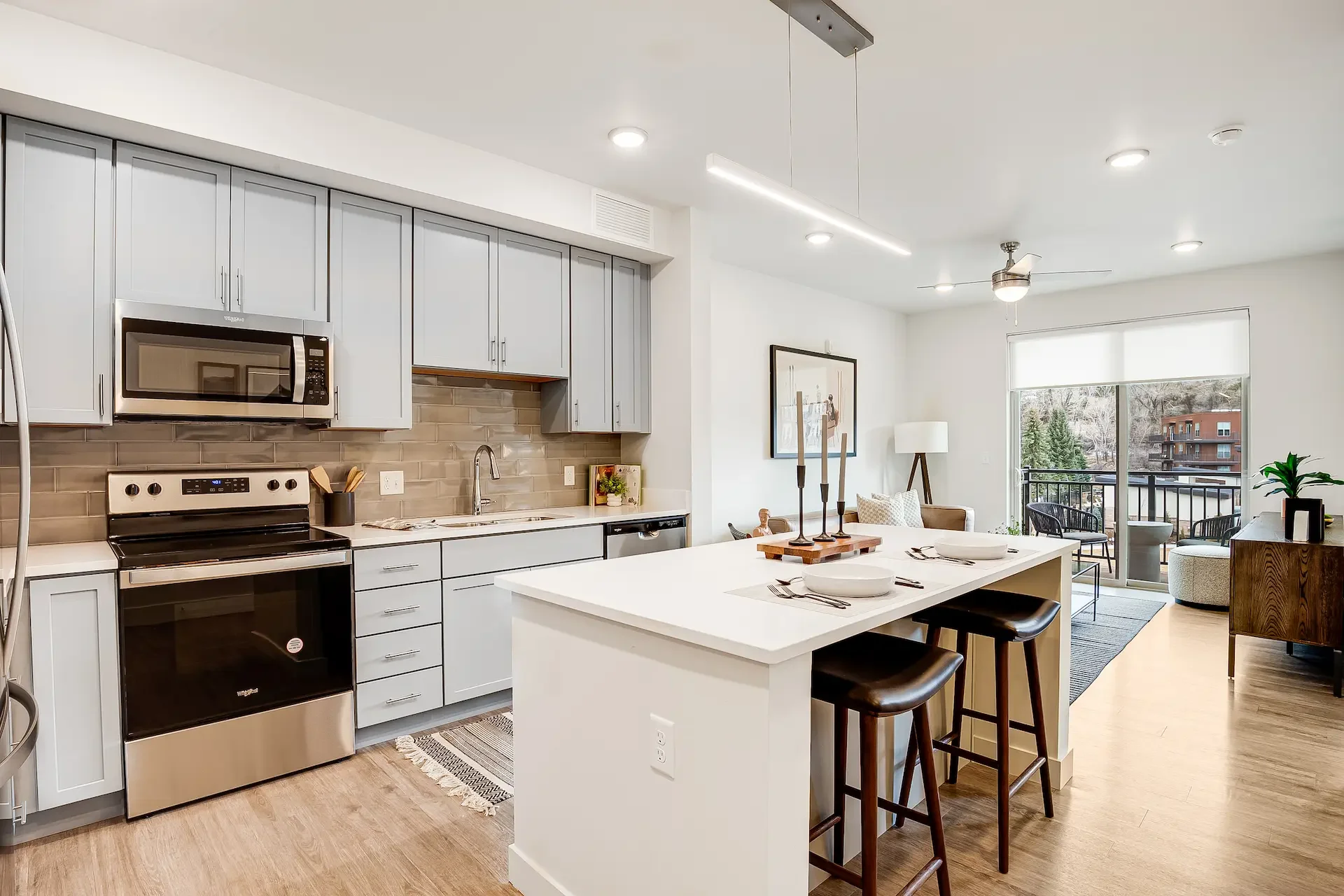
This is why modern construction and energy-efficient insulation, like that found at Tree Farm Lofts, are so important. These are small but significant differences that help make these monthly costs much more predictable and manageable.
Key Takeaways
The average U.S. apartment electricity bill ranges from about $90 to $180, with 2-bedroom units typically falling between $100 and $150.
The average electricity bill could be drastically different depending on the location and the apartment size.
Colorado bills can be slightly higher in winter because heating uses the most energy in mountain towns like Basalt.
Heating and cooling account for nearly half of monthly electricity costs, followed by water heating, refrigerators, and lighting.
Daily habits and appliance efficiency have a direct impact on monthly bills, making small changes highly effective in reducing costs.
Tree Farm Lofts combines modern appliances, quality insulation, and energy-smart design to help residents keep electricity costs predictable.
Average Electricity Bill by Apartment Size
The latest data shows that the average U.S. household spends about $149 a month on electricity. Apartment bills are usually lower, but the exact amount depends on size and usage. Here’s a quick breakdown:
| Apartment size | Average monthly bills (US) | Average monthly bill (Colorado) | Notes |
| 1-Bedroom | $90 – $120 | $85 – $110 | Smaller space, fewer appliances |
| 2-Bedroom | $100 – $150 | $95 – $130 | Extra room adds heating/cooling load |
| 3-Bedroom | $130 – $180 | $120 – $160 | Higher occupancy, more appliances |
Factors That Affect Your Electric Bill
Electric bills vary from one household to another. The size of your apartment, the climate, and even your daily routine all play a part in how much you’ll pay each month.
Location and Climate
Where you live plays a huge role. In Colorado mountain towns like Basalt, winter heating is one of the biggest contributors to higher bills. Colder nights and longer winters push heaters to work harder compared to milder climates.
Apartment Size and Layout
More square footage means more space to heat, cool, and light. A 2-bedroom will almost always cost more than a 1-bedroom simply because of the extra area. Open layouts can sometimes make heating or cooling more efficient, depending on insulation.
Building Quality and Insulation
Well-built apartments with good insulation keep warm air in during winter and cool air in during summer. If windows and doors are sealed properly, your system doesn’t need to run as often. That translates into lower monthly costs.
Number of Occupants
Two people living in a 2-bedroom use more electricity than one person in the same space. Extra showers, cooking, laundry, and device charging all add to the total.
Appliances and Efficiency
Older appliances use more power. ENERGY STAR-rated models, smart thermostats, and LED lighting can significantly reduce consumption. At Tree Farm Lofts, modern appliances are designed to be more energy-efficient, which helps keep bills lower.
Lifestyle and Daily Habits
If you work from home, run laundry frequently, or keep lights on all day, your bill will reflect it. On the other hand, setting your thermostat a few degrees lower in winter or unplugging devices can reduce costs without major sacrifices.
What Appliances Use the Most Electricity
Not all appliances affect your bill the same way. Here are a few that are responsible for the bulk of your monthly costs:
Heating and Cooling (HVAC): 40–50% of monthly use
Water Heating: 15–20% of monthly use
Refrigerator and Kitchen Appliances: 10–15% of monthly use
Lighting and Electronics: 8–12% of monthly use
Standby or “Phantom” Power: 5–10% of monthly use
7 Tips to Lower Your Electric Bill
Looking for practical ways to keep your monthly electric bill in check? Making a few small changes in your daily routine can lead to significant savings over time. Here are seven simple tips to help you save on your electricity costs.
Switch to LED bulbs. LED bulbs use up to 80% less energy than traditional incandescent bulbs and last for years, making them a smart, long-term investment.
Unplug devices. Even when turned off, many electronics like phone chargers, coffee makers, and TVs still draw "phantom power." Unplugging them can reduce your monthly bill by up to 10%.
Use a smart thermostat. A smart thermostat learns your routine and adjusts the temperature automatically. You can save a lot of money by setting it a few degrees lower in the winter or a few degrees higher in the summer when you're away from home.
Wash clothes in cold water. Heating water accounts for a large portion of your washer's energy use. Modern detergents are designed to be just as effective in cold water, saving energy with every load.
Air-dry when possible. Your clothes dryer is one of the biggest energy consumers in your home. By air-drying clothes on a rack or a line, you can significantly reduce your electricity use and help your clothes last longer.
Seal windows and doors. Drafty windows and doors are a major source of heat loss in the winter and cool air escape in the summer. Use weather stripping or caulk to seal any cracks and keep your heating and cooling systems from working overtime.
Run appliances efficiently. Make sure you only run the dishwasher and washing machine when they have a full load. This simple change reduces the number of cycles you run, saving both energy and water.
Keep Your Bills Manageable with Energy-Smart Living at Tree Farm Lofts
Electricity costs for a 2-bedroom apartment change depending on size, climate, and daily habits, but the right choices make them easier to control. Simple adjustments like efficient lighting, better thermostat use, and sealing drafts can bring noticeable savings month after month.
Tree Farm Lofts in Basalt was designed with energy efficiency in mind. Modern appliances, solid insulation, and thoughtful layouts help keep monthly bills predictable while maintaining year-round comfort. Schedule a tour today and explore apartments built for both affordability and ease of living.
Frequently Asked Questions
How do electric bills compare between 1-bedroom and 2-bedroom apartments?
A 2-bedroom usually costs more since there’s extra space to heat, cool, and light. The difference is often $20–$40 per month, depending on the season and how energy is used.
Do electric bills rise in the winter in Colorado?
Yes, winter heating is the biggest factor in higher bills for mountain towns like Basalt. Cold nights and longer winters mean heating systems work harder, which pushes up electricity use.
How much does lifestyle affect electricity costs?
Daily routines make a big difference. Someone who works from home and runs appliances often will spend more than a person who’s out most of the day.
Does apartment design influence energy use?
Yes, design and construction play a large role. High ceilings, insulation quality, window type, and even building orientation can all impact how much heating or cooling is needed.